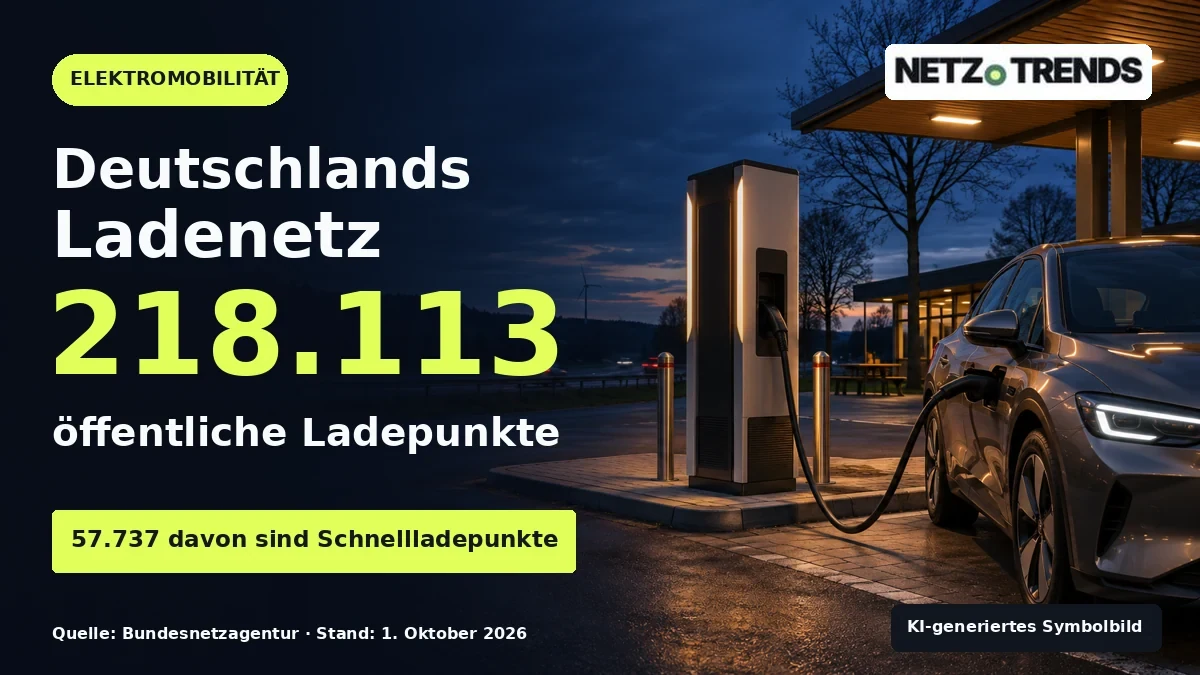
Zapmap’s latest count shows 124,738 public chargepoints across Great Britain, with rapid and ultra-rapid devices growing 15% faster than the network as a whole.
Key points
- 124,738 public chargepoints across the UK at the end of September 2026, up 7.4% year-on-year (Zapmap).
- 48,298 charging locations, including 1,070 charging hubs with six or more devices.
- 29,722 rapid and ultra-rapid chargers (50kW+) at 7,128 locations — up 15% year-on-year.
- 8,686 new chargepoints installed since the start of 2026.
The UK’s public charging network has crossed another milestone, reaching 124,738 chargepoints by the end of September 2026. Almost a quarter of them are now rapid or ultra-rapid devices.
According to Zapmap, the country’s main independent tracker of charging infrastructure, the network grew 7.4% over the past year. Rapid and ultra-rapid chargers — the category drivers rely on for motorway and long-distance trips — expanded twice as fast, by 15%, reaching 7,128 locations nationwide.
Current state of the network
Zapmap counts devices rather than individual connectors, and its live map is widely used by the Department for Transport and industry bodies as the reference figure for the UK market. The 124,738 total covers everything from slow on-street lamppost chargers to ultra-rapid hubs on the motorway network.
These are spread across 48,298 physical locations. Charging hubs — sites with six or more devices — have grown to 1,070, reflecting the shift toward larger, forecourt-style sites rather than single standalone units.
Rapid and ultra-rapid charging
The 29,722 rapid and ultra-rapid chargers (50kW and above) are the segment the government and charge point operators have prioritised, since they make long-distance electric driving practical. Their 15% annual growth outpaces the network’s 7.4% overall growth.
That means rapid charging’s share of the total has risen steadily through 2026. Zapmap figures show more than 8,686 new chargepoints of all types installed since the start of the year.
Regional differences
Charger density remains uneven across Great Britain. London and the South East continue to have the highest concentration of devices per head, driven partly by local authority on-street schemes.
Rural areas of Scotland, Wales and the South West rely more heavily on rapid hubs at fewer, larger sites rather than dense on-street coverage. Zapmap’s regional breakdowns, updated monthly, remain the most current source for drivers checking coverage before a long trip.
What this means if you’re switching to electric
Before a long trip
- Check Zapmap or your charge point operator’s app for live availability — rapid hubs are the most reliable for motorway trips.
- On-street and lamppost chargers are typically slower but cheaper for overnight top-ups if you can’t charge at home.
- Pricing varies significantly by operator and is not regulated — compare pence-per-kWh rates, not just subscription fees.
- The energy price cap does not apply to public charging tariffs, only to domestic electricity contracts.
None of this changes quickly, but the gap between the best- and worst-served regions is narrowing as rapid hubs spread beyond the motorway network into towns and cities.
Growth in numbers
| Measure | Sept. 2025 | Sept. 2026 |
|---|---|---|
| Total public chargepoints | ~116,052 | 124,738 |
| Charging locations | — | 48,298 |
| Rapid/ultra-rapid chargers | ~25,845 | 29,722 |
| Charging hubs (6+ devices) | — | 1,070 |
September 2025 figures for the total network and for rapid/ultra-rapid chargers are derived from Zapmap’s reported annual growth rates and are approximate. Source: Zap-Map Ltd, EV charging statistics. Stand: 30 September 2026.
Zapmap updates these figures monthly, so anyone checking coverage ahead of a trip should use the live map rather than a single snapshot like this one.
Frequently asked questions
How many public EV chargepoints are there in the UK?
124,738 as of the end of September 2026, according to Zapmap, across 48,298 locations.
What proportion of UK chargers are rapid or ultra-rapid?
29,722 of the 124,738 total — just under a quarter — are rapid or ultra-rapid (50kW+) devices, and this category is growing faster than the network overall.
Where can I check real-time charger availability?
Zapmap’s live map and most charge point operators’ own apps show real-time availability and pricing for individual devices.
Is public charging covered by the energy price cap?
No. The energy price cap set by Ofgem applies only to domestic gas and electricity tariffs, not to public EV charging, which is priced independently by each operator.
Sources and status
- Zap-Map Ltd, EV charging statistics (updated 6 October 2026) — zap-map.com
- Net Trends, “Deutschlands Ladenetz wächst auf 218.113 Ladepunkte, 26,5 Prozent laden schnell” (in German) — netz-trends.de
Research and data as of: 15 November 2026.
Transparency note: AI-assisted tools were used in researching, structuring and writing this article. The sources used are listed in the article. Publication takes place only after manual editorial approval. Country edition based on an article from Net Trends, researched for the UK. Image note of the original: AI-generated symbolic image.
Share this article

Kommentieren Sag uns deine Meinung →